
18 October 2026
The U.S. Senate will convene a hearing on Wednesday to examine how rapidly expanding sports betting could compromise game integrity.
The Senate Commerce, Science, and Transportation Subcommittee on Consumer Protection, Technology, and Data Privacy will assemble at 10 a.m. ET on May 20 to scrutinize the relationship between sports betting and the legitimacy of athletic competition. The hearing, titled "No Sure Bets: Protecting Sports Integrity in America," confronts allegations of performance manipulation and insider trading across major professional and collegiate leagues.
Concerns have mounted as legal sports betting has proliferated in the U.S. since a landmark 2018 Supreme Court decision. State-regulated sportsbooks generated about $10 billion in revenue last year, tripling from the prior year. With more wagers comes a heightened risk of distorted point spreads and undue influence from well-informed bettors.
The Senate hearing comes against a backdrop of high-profile corruption charges against NBA players and coaches. In October 2023, federal prosecutors filed court documents accusing a current player, two former players, and one current coach of wire fraud and money laundering. By manipulating game outcomes and exploiting insider information, the men allegedly netted millions from illegitimate bets.
Subcommittee leaders Ted Cruz and Maria Cantwell last month demanded the NBA provide any documents related to the scandal, prompting the league to revise its gambling policies. But lawmakers have yet to receive a full accounting from the NBA or other leagues on how they are addressing integrity threats in a budding era of gambling access.
"As sports betting expands across the country, Congress must engage with experts to analyze the risks and develop new oversight mechanisms to ensure the integrity of athletic competition," said Cruz, a Texas Republican. Cantwell, a Washington Democrat, agreed, saying "we need to act quickly to monitor the impact of sports betting on player transparency, game outcomes, and the safety of fans and athletes."
A New Economic Reality
The hearing will frame sports betting as a major new industry with considerable economic and public policy implications. Testifying for the American Gaming Association, Bill Miller will deliver an industry perspective, touting the potential for jobs, tax revenue, and sheer economic activity. Legal sports betting now supports an estimated 40,000 jobs, with projections reaching 160,000 nationwide by 2028.
But sporting analysts caution that increase in industry revenue does not equate to long-term integrity. "Sports betting growth carries inherent financial risks to the integrity of competition and to the health of our athletes, teams and leagues," said Kansas State University professor Ryan Rodowsky, who studies sports gambling. "We have to make sure it doesn't spin out of control."
Inside the Bookmaker's Mind
The hearing will take a deep dive into sports betting operations, both online and brick-and-mortar, and the algorithms used to set and adjust lines continuously. Representing Tennessee's sports betting regulator, Mary Beth Thomas will offer a state's view of sportsbook monitoring and surveillance responsibilities.
Sportsbook operators argue they have a vested interest in weeding out influential sports bettors, and an array of data points at their fingertips to identify anomalies. "Every sports bettor has a detailed profile and betting history. Smart companies leverage those to detect suspicious activity," said DraftKings Sportsbook Executive Vice President Tony Montalvo. Suspicious bettors' wagers may be re-adjusted or even canceled.
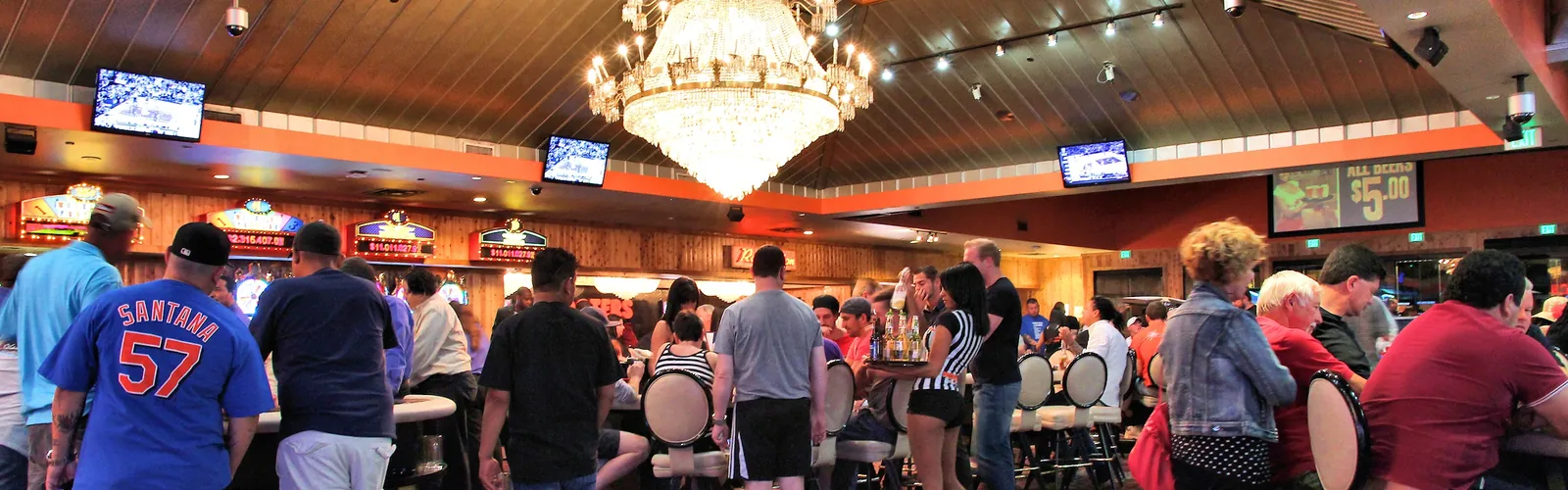
Commercial bookmakers have fewer permissible bets than online operators, and no up-to-date way to verify the identities of their bettors. Some local sports bars, for instance, simply require that customers sign a bet slip, without employing any other method of background checks. Only rarely do sportsbook employees recognize suspicious bettors and investigate further.
The Role of Integrity Monitoring Firms
The hearing spotlight is expected to focus on Sportradar, a protection organization that oversees betting integrity for the NBA and NCAA. The company's co-founder and President, Scott Sadin, is set to testify on the company's monitoring model.
Integrity monitoring firms go beyond customer background checks, purchasing transaction statistics, and verifying licenses. These firms utilize computer systems that analyze betting patterns to verify what type of bets are being placed and where they originate.
Despite industry self-regulation from integrity monitoring firms, FBI statistics show a significant increase in integrity violations levied against players, coaches, and officials in recent years.
The Devolution of Integrity
The hearing will address the potential for illicit activities to tarnish sports more broadly as sports betting saturates society. Representing the Coalition for Responsible Sports Betting, Patrick McHenry will voice concerns that legalization could corrupt college sports. Some college basketball coaches have been accused of incentivizing athletes to perform better by promising future gambling earnings.
McHenry may criticize professional leagues for trusting sportsbooks rather than policing themselves. "As much as we want to encourage a free market," he said, "what's the sense in sanctioning sports betting when the industry itself is so vulnerable to manipulation?"
Public intoxication and reckless behavior around major sporting events have also raised concerns about the social impact of widespread sports betting. Some league executives appear more focused on revenue than addressing these emerging issues.